

The Global Tapestry: Weaving a New World Order in 2026
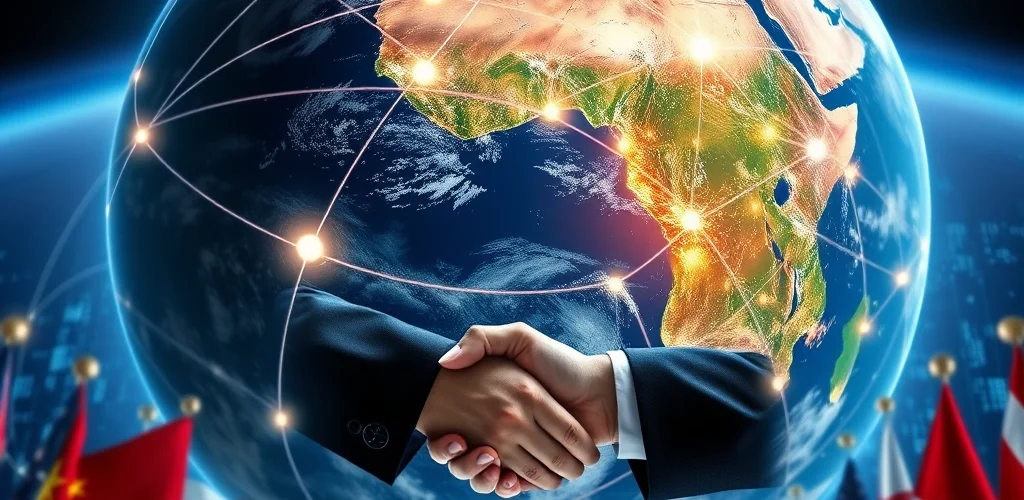
As the world navigates the pivotal year of 2026, global dynamics are being redefined by a complex interplay of climate imperatives, technological leaps, and shifting geopolitical alliances. In a landmark move, the United Nations Climate Summit in Jakarta concluded with a historic agreement among major economies to accelerate the transition to renewable energy, setting ambitious carbon neutrality targets for the next decade. This pact, hailed by environmentalists as a turning point, places unprecedented pressure on industrial giants like China and the United States to overhaul their energy infrastructures, while developing nations in Africa and Southeast Asia seek support for green investments without sacrificing growth.
Simultaneously, the digital realm is witnessing a race for dominance in artificial intelligence and quantum computing. The European Union’s new AI Act, effective this autumn, sets global standards for ethical AI deployment, contrasting sharply with the laissez-faire approaches of Silicon Valley and rising tech hubs in India and Brazil. Tensions over data sovereignty and cross-border data flows have intensified, prompting the World Trade Organization to convene emergency talks in Geneva. Meanwhile, the global space economy expands as private companies and national agencies, including NASA, ESA, and new players like the African Space Agency, launch missions to mine lunar ice and establish permanent orbital habitats, sparking debates on governance and the equitable sharing of extraterrestrial resources.
On the economic front, the International Monetary Fund revised its global growth forecast upward, citing resilient consumer spending and innovative startups, yet warns of inflationary pressures exacerbated by supply chain disruptions from the Suez Canal and Panama Canal expansions. The rise of digital currencies, including central bank digital currencies (CBDCs) from the Bank of England and the People’s Bank of China, could reshape the global financial system, challenging the dominance of the U.S. dollar.
Socially, the world is more connected but also more fragmented. Mass migration due to climate change and conflict has reached crisis levels, prompting the International Organization for Migration to launch a new response fund. Cultural exchanges proliferate via streaming platforms, yet echo chambers deepen ideological divides. The upcoming G20 summit in New Delhi aims to bridge these gaps, but success hinges on cooperation among rivals at a time of heightened nationalism.
In this tapestry of global affairs, every thread pulls at another, creating a picture that is at once hopeful and daunting. The decisions made now will define the century, calling for a new kind of leadership—one that balances national interests with the common good. As 2026 unfolds, the world watches, holds its breath, and forges ahead.

Nossa Audiência
Posts Relacionados
 Mundo
Mundo Tempestade Solar Colossal Atinge a Terra: Impactos e Previsões para os Próximos Dias
 Mundo
Mundo
Futuro Sombrio: Estudo Revela que Derretimento das Geleiras pode Aumentar o Nível do Mar em 2 Metros até 2100
 Mundo
Mundo
Oceans of Change: How a Tiny Pacific Island Nation Is Reshaping Global Climate Law
 Mundo
Mundo
Mundo em Alerta: Mudanças Climáticas Aceleram Eventos Extremos
 Mundo
Mundo