

Oceans of Change: How a Single Vote Could Reshape Global Climate Policy
A Pivotal Summit
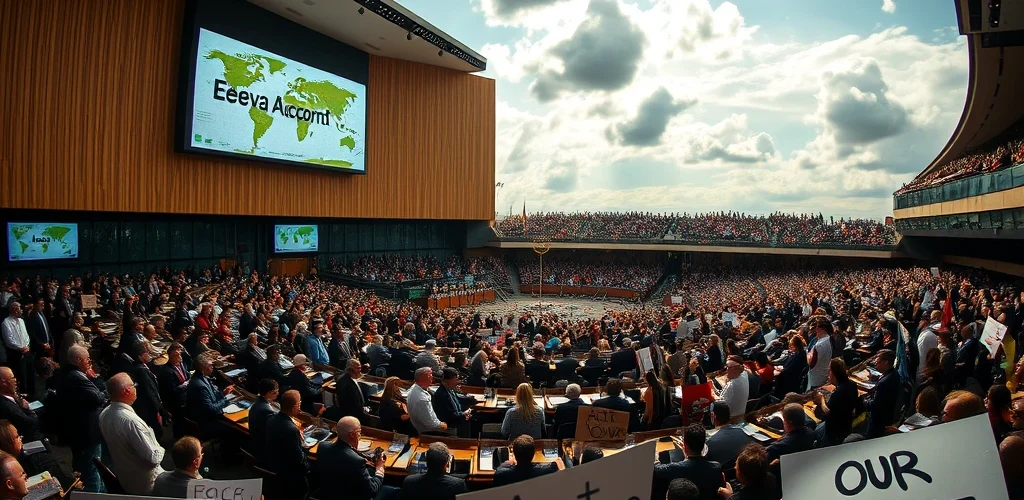
In the sprawling conference halls of Geneva, delegates from 195 countries are locked in intense negotiations over the future of the planet’s climate. The stakes have never been higher, with scientists warning that we are on the brink of irreversible tipping points. Yet, amid the familiar gridlock, a new and unexpected alliance is emerging—small island nations, indigenous groups, and even some major oil producers are joining forces to demand a radical shift in carbon pricing.
The Unlikely Coalition
Leading this charge is the Prime Minister of Vanuatu, Iolu Johnson, whose nation faces existential threat from rising seas. ‘We are not here to beg,’ he declared, his voice steady. ‘We are here to change the rules.’ Backing him are leaders from Nigeria and Norway, who argue that a global carbon tariff could fund a massive transition to renewable energy, particularly in developing regions. This proposal, once dismissed as utopian, has gained unexpected traction due to a series of climate disasters last year that cost the global economy over $300 billion.
The Great Debate
The proposal, known as the ‘Geneva Accord,’ would impose a $50 per ton carbon tax on all imports, with revenues directed to a global green fund. Proponents argue it would finally put a price on pollution and level the playing field. However, heavyweights like China and the United States remain skeptical, citing economic risks. ‘We cannot burden our industries in a time of global instability,’ said US Climate Envoy, Sarah Chen during a heated session.
Public Pressure
Meanwhile, outside the venue, thousands of activists from the ‘Fridays for Future’ movement have gathered. Their chants echo through the streets: ‘No more empty promises!’ A recent global poll shows that 68% of people in leading economies support stricter climate measures, even if they mean higher costs. This public sentiment is putting pressure on negotiators, who are set to reconvene tonight for a final session.
What’s Next?
The summit is scheduled to conclude on Friday, but many experts predict an extension. Yet, there is a guarded optimism. ‘We are closer to a breakthrough than ever before,’ notes Dr. Elena Ruiz of the Intergovernmental Panel on Climate Change. ‘The question is whether political will can match the urgency.’ The world is watching, and the decisions made here could resonate for generations.

Nossa Audiência
Posts Relacionados
 Mundo
Mundo Tempestade Solar Colossal Atinge a Terra: Impactos e Previsões para os Próximos Dias
 Mundo
Mundo
Futuro Sombrio: Estudo Revela que Derretimento das Geleiras pode Aumentar o Nível do Mar em 2 Metros até 2100
 Mundo
Mundo
Oceans of Change: How a Tiny Pacific Island Nation Is Reshaping Global Climate Law
 Mundo
Mundo
Mundo em Alerta: Mudanças Climáticas Aceleram Eventos Extremos
 Mundo
Mundo