

Influencers Face a New Era: Authenticity Trumps Aesthetics in 2026
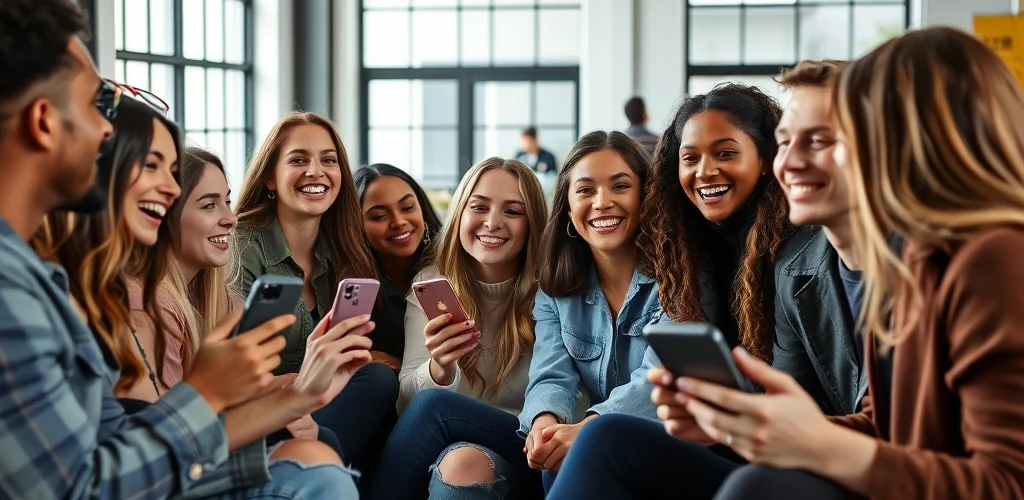
The Shift from Highlight Reel to Real Talk
In the fast-paced world of social media, the influencer landscape is undergoing a seismic shift. Gone are the days when a perfectly polished feed and a high follower count guaranteed influence. In 2026, the currency of influence is authenticity, and the one-dimensional “highlight reel” approach is losing its luster.
According to recent industry reports, engagement rates on sponsored posts have dropped by an average of 18% over the past two years, while engagement on personal, unfiltered content has surged. Audiences, particularly Gen Z and younger Millennials, are increasingly skeptical of overly curated content. They crave real connections and relatable experiences, not just aspirational imagery.
Why Authenticity is King
“The era of the perfect influencer is over,” says social media strategist Elena Rodriguez. “Today, if you stumble, you show it. If you have a bad skin day, you post it. That’s what builds trust, and trust is the only metric that really matters for long-term success.”
This move towards transparency has given rise to a new subculture of “flaw-fluencers” who openly discuss their failures, financial struggles, and mental health challenges. They share behind-the-scenes looks at their lives, from messy apartments to unedited bad hair days.
Impact on Brands and Marketing
Brands are taking notice. Instead of seeking out mega-influencers with millions of followers, many are turning to micro-influencers (those with 10,000 to 50,000 followers) who boast higher engagement rates and stronger community bonds. “We’re seeing a shift from reach to relevance,” notes marketing professor David Chen. “A small influencer with a loyal audience can deliver better value than a celebrity with a disengaged fan base.”
Campaign strategies are evolving accordingly. Sponsored content now often features disclaimers and honest reviews. Influencers are encouraged to share their genuine opinions, even if it means criticizing certain product aspects. In fact, a recent survey found that 72% of consumers trust an influencer more when they openly admit to disliking a product.
The Rise of Data-Backed Creators
Another significant trend is the use of data analytics to guide content creation. Influencers are now using AI-driven tools to analyze which topics resonate most with their followers and when they are most active. This data-driven approach allows them to tailor their content for maximum impact while maintaining their authentic voice.
“It sounds contradictory, but being authentic doesn’t mean being careless,” says influencer Jake Thompson, who has successfully navigated this new landscape. “I use insights to understand what my audience cares about, but I always present it in my own way.”
Challenges and Criticism
Not everyone is convinced. Critics argue that some influencers are simply performing authenticity as another marketing strategy, which leads to a new kind of inauthenticity. There’s also the risk of oversharing and the emotional toll of constant vulnerability.
“We’re walking a fine line,” admits psychologist Dr. Sarah Nguyen. “On one hand, being open can be therapeutic and build community. On the other, exposing every facet of your life can lead to anxiety and online harassment.”
The #deinfluencing trend, which encourages followers to buy less and be more mindful, has gained traction. Some influencers are now actively promoting anti-consumerist messages, which paradoxically boosts their credibility and, in some cases, their income through brand partnerships that align with these values.
The Future of Influencing
As we move forward, the influencer industry is likely to become more fragmented and specialized. The future may see more niche communities where influencers act as microcelebrities within specific interest areas, from sustainable living to niche video gaming. The key takeaway is that influence is no longer about projecting perfection but about building meaningful connections.
To stay relevant, influencers must adapt to these changing dynamics. The ones who thrive will be those who can balance authenticity with professionalism, and who view their audience as a community rather than a demographic.

Nossa Audiência
Posts Relacionados
 Influenciadores
 O Novo Poder dos Influenciadores: Como eles Estão Redefinindo o Marketing Digital em 2026
 Influenciadores
A Nova Era dos Influenciadores: Autenticidade ou Fim do Marketing Digital?
 Influenciadores
O Fenômeno dos Influenciadores: Como Eles Estão Redefinindo o Marketing e a Cultura Digital
 Influenciadores
O Poder Invisível: Como os Influenciadores Digitais Silenciosos Estão Dominando as Marcas em 2026
 Influenciadores