

Global Heatwaves Trigger Unprecedented Migration and Economic Strain
The New Climate Reality
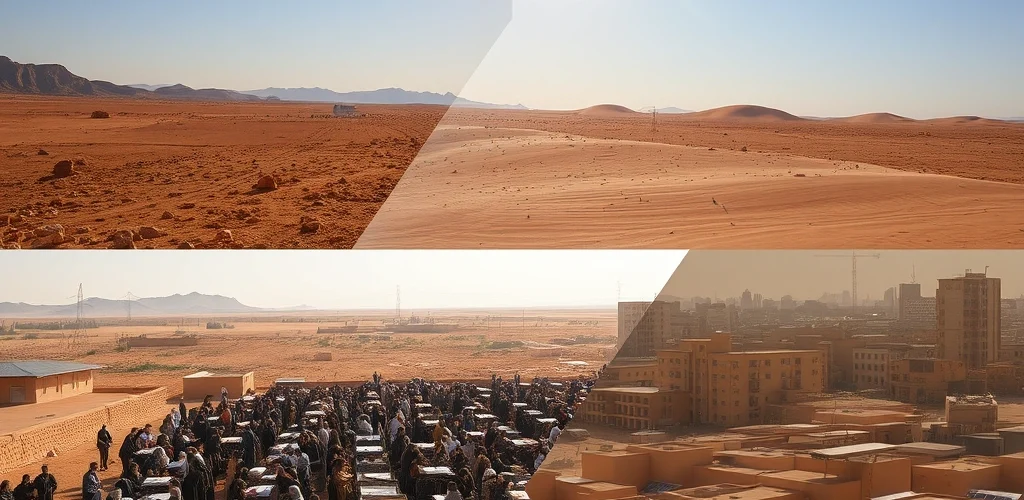
In July 2026, the world witnessed the hottest month ever recorded, with temperatures surpassing previous highs by a significant margin. From Europe to Asia, heatwaves have become more frequent and intense, forcing governments to declare states of emergency and implement emergency cooling measures.
Migration Pressures Mount
The extreme heat is driving population movements, particularly in regions where agriculture has become untenable. According to the International Organization for Migration, an estimated 200 million people could be displaced by 2050 due to climate impacts, and 2026 is already showing early signs of this trend. Coastal cities like Miami and Jakarta are also facing the dual threats of rising sea levels and heat stress.
Economic Disruption
The economic toll is staggering. The World Bank estimates that climate-related disasters have cost the global economy over $500 billion in the first half of 2026 alone. Supply chains are disrupted, energy demands soar, and infrastructure struggles to cope. In the Middle East, outdoor workers face lethal conditions, prompting calls for revised labor laws.
International Response
Leaders at the recent UN Climate Summit in Dubai pledged renewed commitments to the Paris Agreement, but critics argue that current measures are insufficient. ‘We are running out of time,’ said Dr. Elena Marchetti, a climate scientist at the University of Oxford. ‘Every fraction of a degree matters.’ Meanwhile, innovative solutions like solar-reflective roads and geothermal cooling are being tested in cities like Tokyo and Los Angeles.
Hope Amidst Crisis
Despite the grim outlook, there are glimmers of hope. Renewable energy adoption is accelerating, with wind and solar now accounting for 40% of global electricity. Community-led initiatives are also making a difference, from urban greening projects in Singapore to reforestation efforts in the Amazon. The challenge is to scale these solutions before time runs out.

Nossa Audiência
Posts Relacionados
 Mundo
Mundo Tempestade Solar Colossal Atinge a Terra: Impactos e Previsões para os Próximos Dias
 Mundo
Mundo
Futuro Sombrio: Estudo Revela que Derretimento das Geleiras pode Aumentar o Nível do Mar em 2 Metros até 2100
 Mundo
Mundo
Oceans of Change: How a Tiny Pacific Island Nation Is Reshaping Global Climate Law
 Mundo
Mundo
Mundo em Alerta: Mudanças Climáticas Aceleram Eventos Extremos
 Mundo
Mundo