

Global Heatwave Sparks Urgent Climate Action Summit
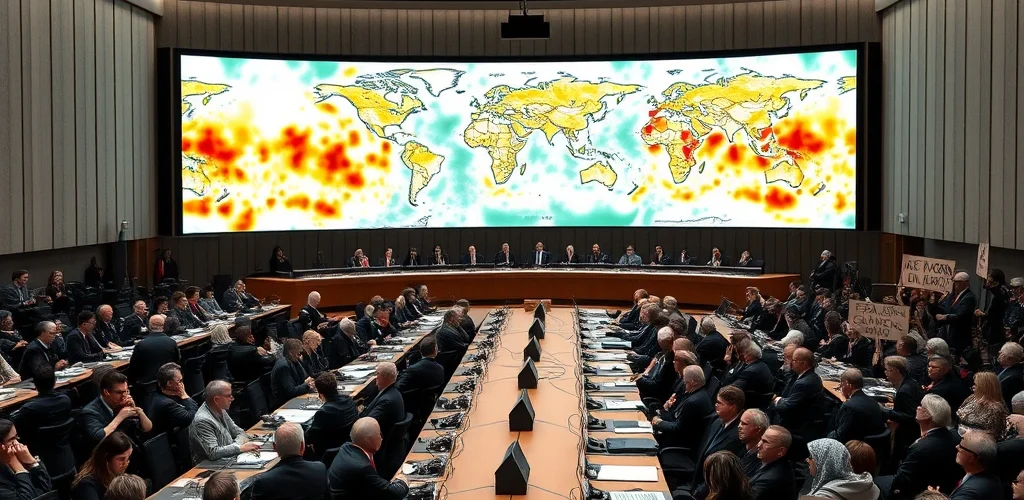
Historic Heatwave Forces Emergency Summit
In an unprecedented display of global urgency, world leaders gathered in Geneva this week for an emergency climate summit as record-breaking heatwaves swept across Europe, Asia, and North America. Temperatures soared to 50°C in some regions, causing widespread crop failures, water shortages, and hundreds of heat-related deaths.
Scientific Warnings and Public Pressure
The summit came on the heels of a stark report from the Intergovernmental Panel on Climate Change (IPCC), which warned that several climate tipping points, such as the collapse of the Amazon rainforest and the melting of Arctic permafrost, may be reached within the next decade. Public pressure has mounted, with millions of young activists, inspired by Greta Thunberg, staging protests in cities worldwide, demanding immediate and drastic reductions in carbon emissions.
Key Agreements and Controversies
On the first day, leaders from the European Union, China, and the United States announced a joint pledge to accelerate the transition to renewable energy and set more ambitious national targets. However, disagreements over climate finance for developing nations remain a sticking point, with poorer countries insisting on compensation for loss and damage caused by climate impacts. The summit is expected to conclude with a communiqué, but critics argue that past commitments have often failed to materialize.
Business and Industry Response
Major corporations, including tech giants like Apple and Microsoft, have announced new initiatives to achieve carbon neutrality by 2030, while oil companies face mounting shareholder pressure to diversify. The financial sector is increasingly divesting from fossil fuels, and green bond issuance has reached record levels. Yet, environmental groups like Greenpeace and Extinction Rebellion say these measures are too little, too late, and call for a complete phase-out of coal and oil.
Public Health and Migration Effects
Health systems are strained as heatstroke cases surge, and air quality worsens due to wildfire smoke. The World Health Organization has issued new guidelines for heat action plans. Meanwhile, the movement of climate refugees is expected to rise, with the UN Refugee Agency projecting that 200 million people could be displaced by 2050 if current trends continue.
Looking Ahead
As the summit enters its final hours, all eyes are on the wording of the final declaration. The next few years will be critical, as countries prepare to submit updated Nationally Determined Contributions (NDCs) ahead of the next COP in Dubai. The world stands at a crossroads, and this week’s decisions could shape the future of our planet.

Nossa Audiência
Posts Relacionados
 Mundo
Mundo Tempestade Solar Colossal Atinge a Terra: Impactos e Previsões para os Próximos Dias
 Mundo
Mundo
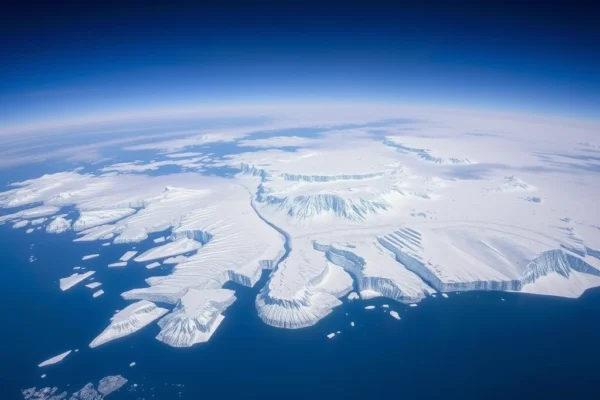
Futuro Sombrio: Estudo Revela que Derretimento das Geleiras pode Aumentar o Nível do Mar em 2 Metros até 2100
 Mundo
Mundo
Oceans of Change: How a Tiny Pacific Island Nation Is Reshaping Global Climate Law
 Mundo
Mundo
Mundo em Alerta: Mudanças Climáticas Aceleram Eventos Extremos
 Mundo
Mundo